Balsall Common Primary School Pursuing excellence for all
English
English Overviews
Our English Overviews, shown below, provide an outline of the texts, genres and key learning objectives that pupils will cover throughout the year. Each overview demonstrates how reading, writing, grammar, spelling and oracy are carefully planned to ensure a broad and progressive English curriculum, with opportunities for children to apply and develop their skills across a range of high-quality texts and writing outcomes.
Reading for Pleasure
At Balsall Common Primary School, we are committed to developing lifelong readers who read with fluency, understanding and enjoyment. We believe that reading is the foundation of all learning and is central to pupils' academic success and personal development. Through a carefully planned reading curriculum and exposure to a diverse range of high-quality texts, children develop their vocabulary, comprehension skills and appreciation of literature. Reading lessons encourage pupils to think critically, discuss ideas, make connections and foster a genuine love of books and reading.
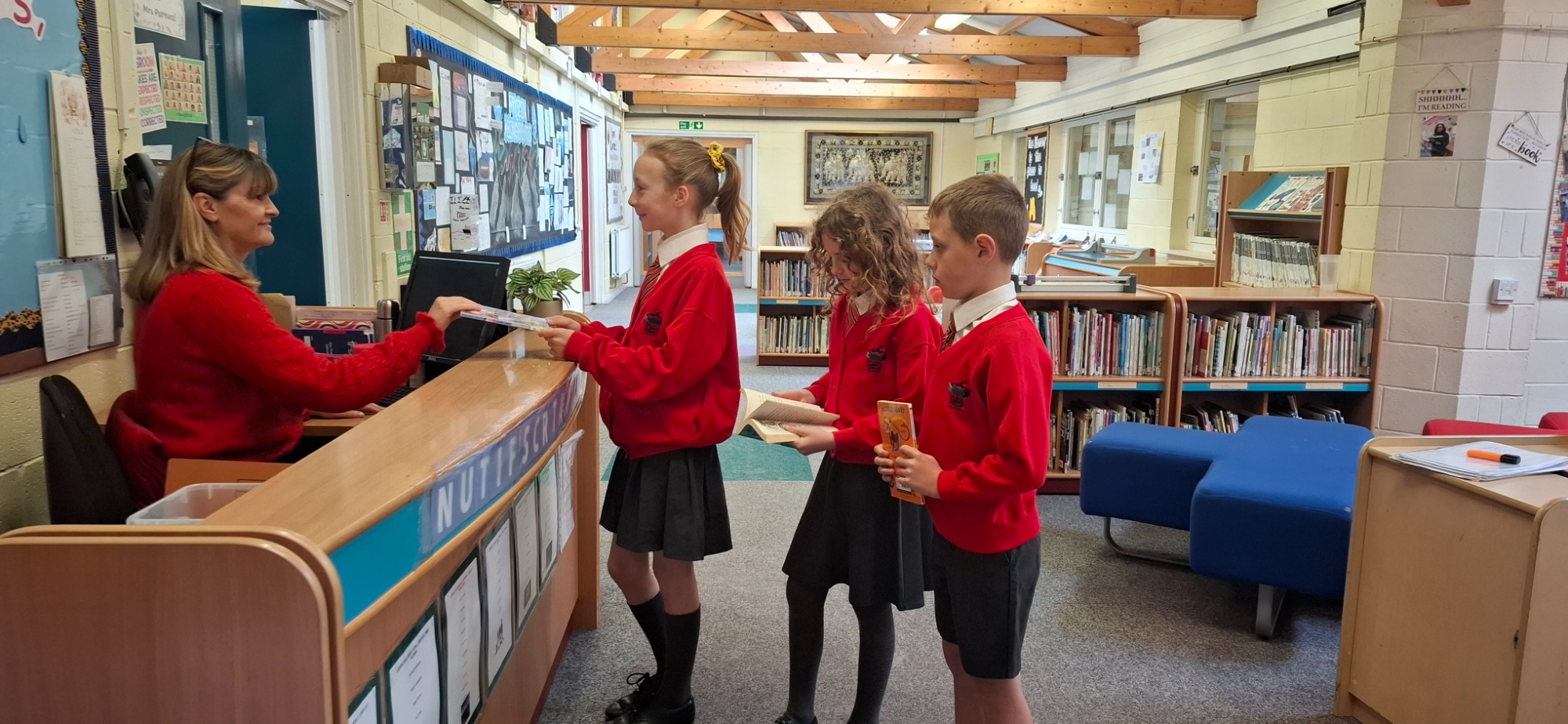
Our school library plays a central role in promoting a love of reading across the school. Pupils have access to a wide range of carefully selected fiction, non-fiction and poetry texts, supported by our dedicated librarian who works with children across all year groups through timetabled library sessions. These dedicated library slots provide opportunities for pupils to explore new authors, discover different genres, recommend books to others and develop independence and confidence as readers.
Please find our English Book Overview attached, showing progression across the school.
(English Book Overview will be attached here.)
English Assessment
Writing
Writing is assessed continuously throughout the academic year rather than through a single assessment point. Throughout the year, teachers gather a range of evidence from pupils’ independent writing to build an accurate picture of each child's attainment and progress.
Pupils complete a variety of independent writing tasks, which are assessed against the year group's Key Performance Indicators (KPIs) and the Teacher Assessment Framework (TAF). The TAF is organised into groups of statements that describe the expectations for pupils who are working towards the standard, working at the expected standard and working at greater depth.
Teacher assessment is based on whether a child can consistently demonstrate the statements within a particular standard. Judgements are not made using a ‘best fit’ approach. For example, for a pupil to be assessed as working towards the standard in Year 3, they must provide evidence that they can meet all of the statements within that category (with one exception allowed where applicable).
The Teacher Assessment Frameworks for each year group can be viewed below.
Reading
Reading is assessed continuously throughout the academic year through a combination of ongoing teacher assessment, reading discussions, comprehension activities and formal assessment opportunities. Teachers gather a range of evidence to build an accurate picture of each child's reading fluency, comprehension skills, vocabulary development and ability to engage with a range of texts.
Throughout the year, pupils take part in whole-class reading lessons and independent reading activities, where teachers assess their ability to retrieve information, make inferences, explain their thinking, discuss author choices and make connections between texts. Assessment is closely aligned with the National Curriculum expectations for each year group, ensuring that pupils’ progress is carefully monitored and support is provided where needed.
Teachers use assessment information to identify next steps, adapt teaching and ensure that all pupils continue to develop as confident, skilled and enthusiastic readers. Formal reading assessments are also used at key points throughout the year to support teacher judgements and track progress over time.
The Teacher Assessment Frameworks for each year group can be viewed below.
Spelling
We aim to equip all pupils with the knowledge and confidence to become accurate and proficient spellers. Spelling is taught through a carefully sequenced programme that follows the National Curriculum expectations and builds progressively on prior learning.
We use Spelling Shed to deliver engaging and interactive spelling lessons, enabling children to develop a secure understanding of spelling patterns, rules and exceptions. Through regular retrieval, practice and application, pupils are encouraged to transfer their spelling knowledge into their independent writing, supporting them to become confident and effective communicators.
Spelling is assessed continuously throughout the academic year through teacher observation, pupil work and regular review of taught spelling patterns and rules. Teachers use assessment information to identify gaps in knowledge, provide targeted support and ensure that pupils continue to build upon their spelling skills. Regular practice and retrieval opportunities help children to develop accuracy, fluency and confidence in applying their spelling knowledge across the curriculum.
The Spelling Shed Overview can be accessed below and is also included within each year group’s English Overview.
(Spelling Shed documents will be attached here.)